
Skip to content

Use case

Animate a still image without losing its cinematic composition

Turn an approved still into a short cinematic shot by directing motion, camera, light, and pace while explicitly protecting the visual details that should remain unchanged.

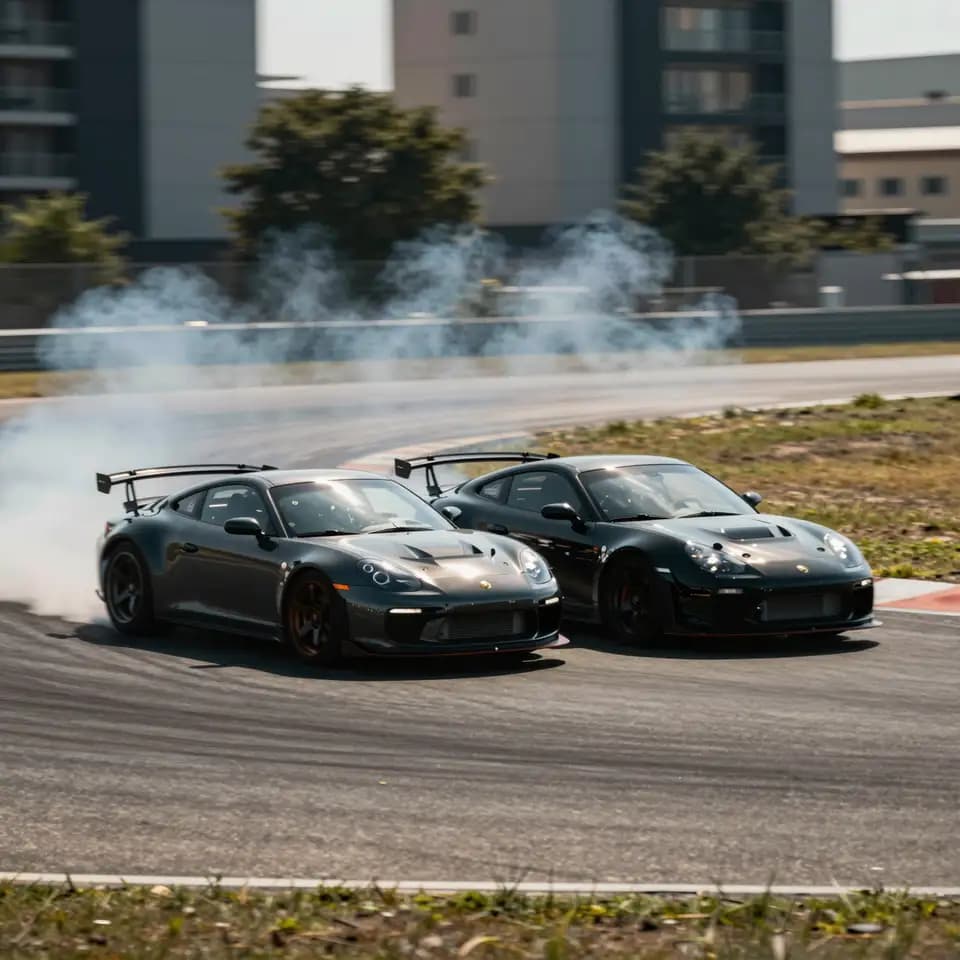
Sci-Fi Lab Image-to-Video Example

Sci-Fi Lab Image-to-Video Example

A cinematic image-to-video reveal with controlled perspective and science-fiction campaign mood.

Answer

Start with a strong source image, prompt primarily for motion, and name the composition, character, product, or background details that must remain stable. Generate short clips, compare them with the source, and refine one motion variable at a time.
How to approach the shot

Anchor the shot with a strong source image

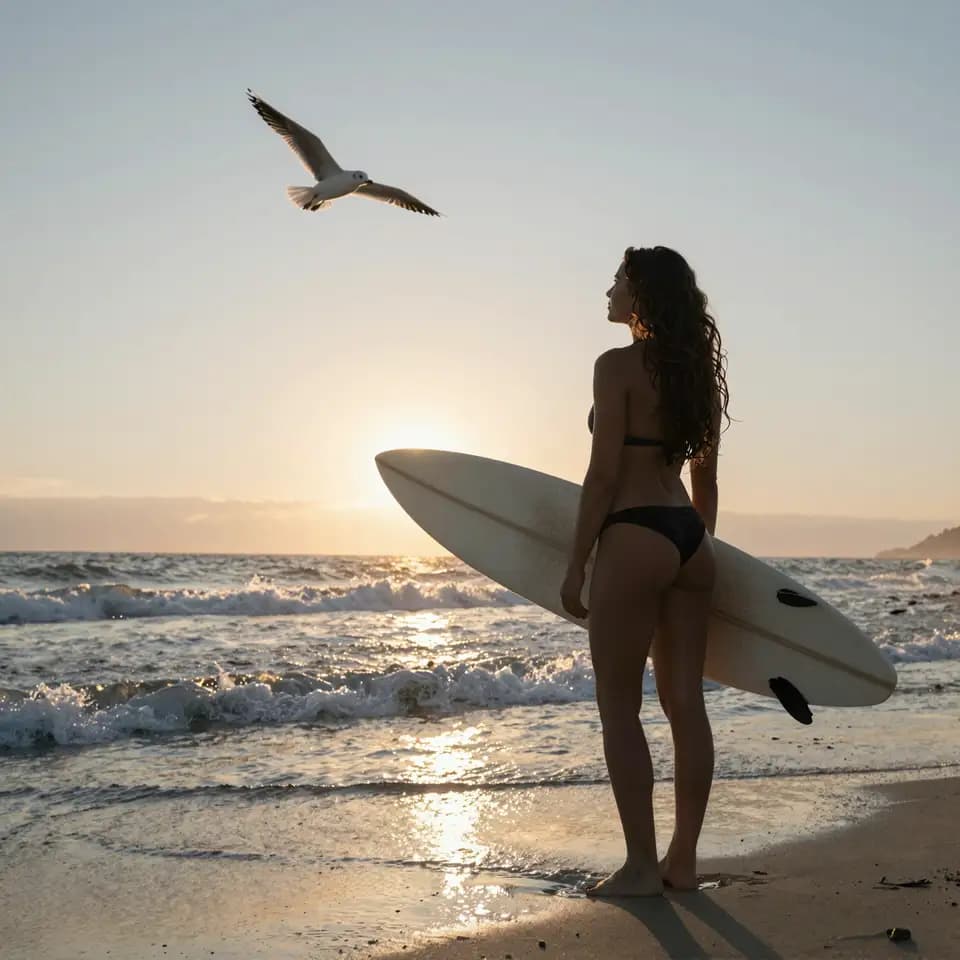
Use a frame that already has the subject, lighting, camera angle, and composition you want. Image-to-video is most useful when the art direction is already approved.

Prompt the movement, not a new picture

Describe subject action, camera motion, atmosphere, and pace. Avoid introducing unnecessary new objects or restating every visible detail.

Review drift before building a sequence

Check facial identity, product shape, architecture, text, and background placement. Use the best stable take before connecting it to additional scenes.

Prompt examples

Fixed composition

Subtle natural motion in the subject and environment. Fixed camera. Preserve the original composition, facial identity, wardrobe, and background geometry.

Cinematic push-in

Slow controlled camera push-in, soft atmospheric haze, gentle practical light movement, restrained subject motion. Keep the central composition and environment unchanged.

Frequently asked questions

Can image-to-video preserve the original background?

It can preserve the background more closely when motion is restrained and the prompt explicitly asks to keep the environment fixed, but generated results still require visual review.

What image works best for cinematic animation?

Use a sharp image with a readable subject, deliberate composition, and enough visual separation between foreground and background to support controlled motion.