
MiniMax H3 vs WAN 2.2: Preservation or Motion?
A measured image-to-video comparison for choosing between source fidelity and stronger movement in advertisements and reference-critical shots.
In this article
The short answer
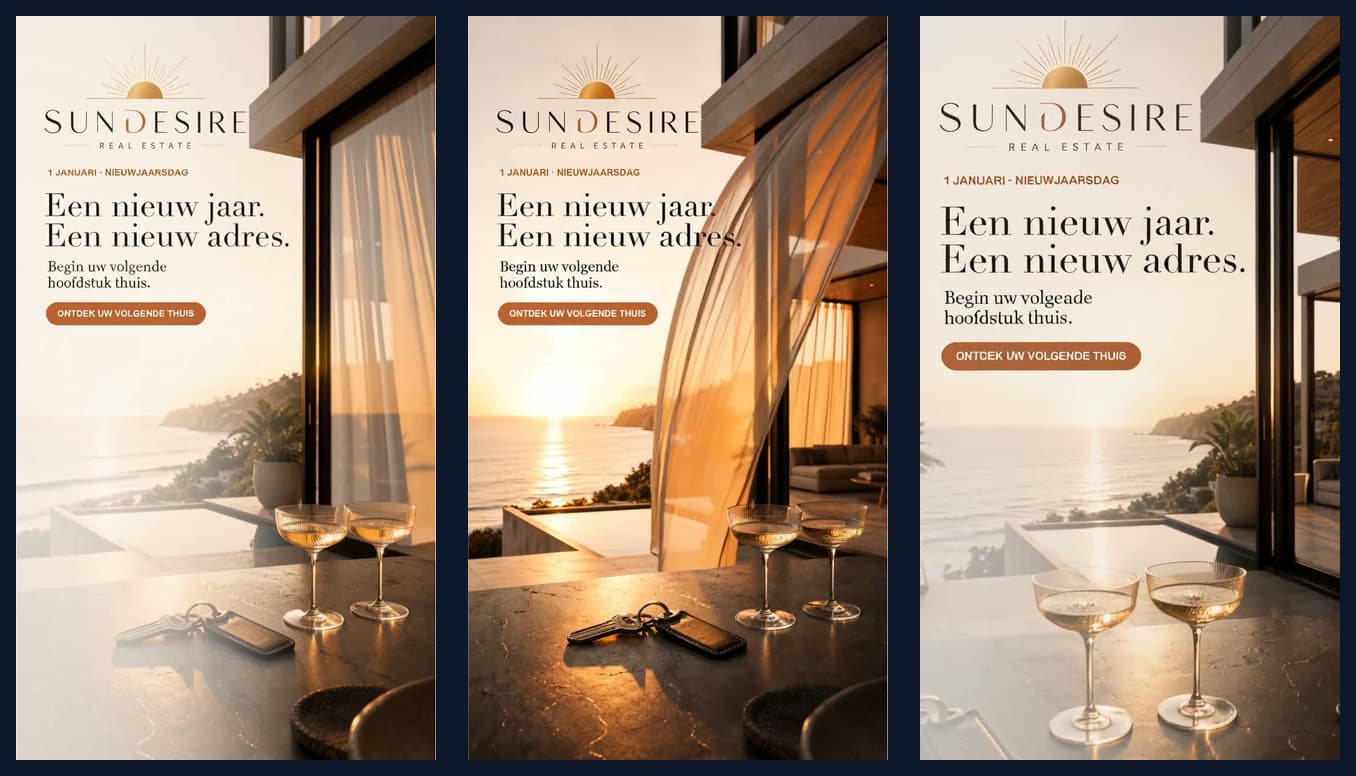
Choose MiniMax H3 when changing the source image is the expensive mistake. Choose WAN 2.2 when weak motion is the expensive mistake. In our six finished-ad tests, H3 stayed closest to the input layout, logo, objects, and typography. WAN moved the photographed scene more clearly, but reconstructed more of it.
Decision in one line
This is a workflow-level result from a controlled Movey test, not a claim about every checkpoint, prompt, or hardware configuration. The source, scene prompt, requested five-second duration, output shape, and seed were fixed within each comparison. WAN used its production route with RIFE interpolation; H3 used its matching local generation graph.
What the measured comparison showed
| Tested route | Mean wall time | Source match | Motion | Best first test |
|---|---|---|---|---|
| MiniMax H3 | 14m 30s | Closest | Restrained | Finished designs and reference-critical shots |
| WAN 2.2 + RIFE | 6m 41s | Middle | Active | Shots where movement carries the idea |
The times are averages across six portrait advertisement layouts on the tested infrastructure. They are not universal speed guarantees. Source match and motion combine synchronized visual review with pixel-change checks. More changed pixels can mean useful action or unwanted reconstruction, so the clips remain the primary evidence.
Choose MiniMax H3 when preservation matters most
H3 is the stronger first route when the input already contains approved composition, identity, product geometry, or hard-to-recreate detail. That includes finished campaign artwork, a client-approved key visual, branded products, and reference-heavy scenes where drift creates expensive review cycles.
- Protect the source before asking for movement.
- Describe only the motion that should change.
- Review whether restraint has crossed into a nearly static result.
- Keep exact text and logos on a deterministic overlay path when possible.
Movey offers H3 through the image-to-video workflow, with current capabilities and commercial-use details on the MiniMax H3 model page.
Choose WAN 2.2 when motion carries the shot
WAN 2.2 is the better first test when the creative idea fails without visible movement: fabric needs to billow, a subject must perform an action, the camera needs to travel, or an environment needs obvious life. Its more active result can be worth additional reconstruction when the source is a concept frame rather than a locked final design.
Stronger motion does not remove QA. Pause on faces, hands, product silhouettes, signage, and transitions. Compare the opening frame with the source and check the final frame for accumulated drift before using it in a longer sequence.
A practical production checklist
- Write down what must remain unchanged and what must visibly move.
- Test one representative shot in H3 and WAN before routing an entire campaign.
- Review identity, geometry, typography, motion, audio, and first/last frames separately.
- Keep the accepted source, prompt, seed, model route, and output together for reproducibility.
- Assemble accepted shots in Movey Director instead of forcing every scene through one model.
A free Movey account includes starter tokens for trying supported workflows; further generation uses tokens and free-plan outputs may be watermarked. Review the current options on the pricing page.
Frequently asked questions
Is MiniMax H3 better than WAN 2.2 for image-to-video?
Not for every shot. In Movey's six-layout comparison, H3 preserved finished source designs more closely, while WAN 2.2 produced stronger motion and completed the tested route sooner. The better choice depends on whether source fidelity or motion is the more expensive failure.
Which model should I use for an advertisement with text and a logo?
Test H3 first when the source already contains important composition, product geometry, or branding. Exact legal copy, prices, and logos should still be reapplied deterministically after motion whenever the design allows it.
Which model should I use when the image needs obvious movement?
WAN 2.2 is the stronger first test when visible movement carries the idea and some reconstruction is acceptable. Review faces, hands, product geometry, text, and the first and last frames before accepting the result.
Can I use MiniMax H3 commercially in Movey?
Movey provides MiniMax H3 under written commercial authorization. Use remains subject to the selected plan, supported territories, applicable law, third-party rights, Movey's terms, and MiniMax's model terms.
Sources
Primary model sources and the longer Movey experiment report behind this focused comparison.
- Official MiniMax H3 model card documents the upstream model, supported modes, and model terms.
- Official WAN 2.2 repository documents the WAN 2.2 model family and reference workflows.
- Movey MiniMax H3 local video lab contains the full six-layout study, method, native-audio tests, reference routes, and production caveats.
Keep reading
Related articles
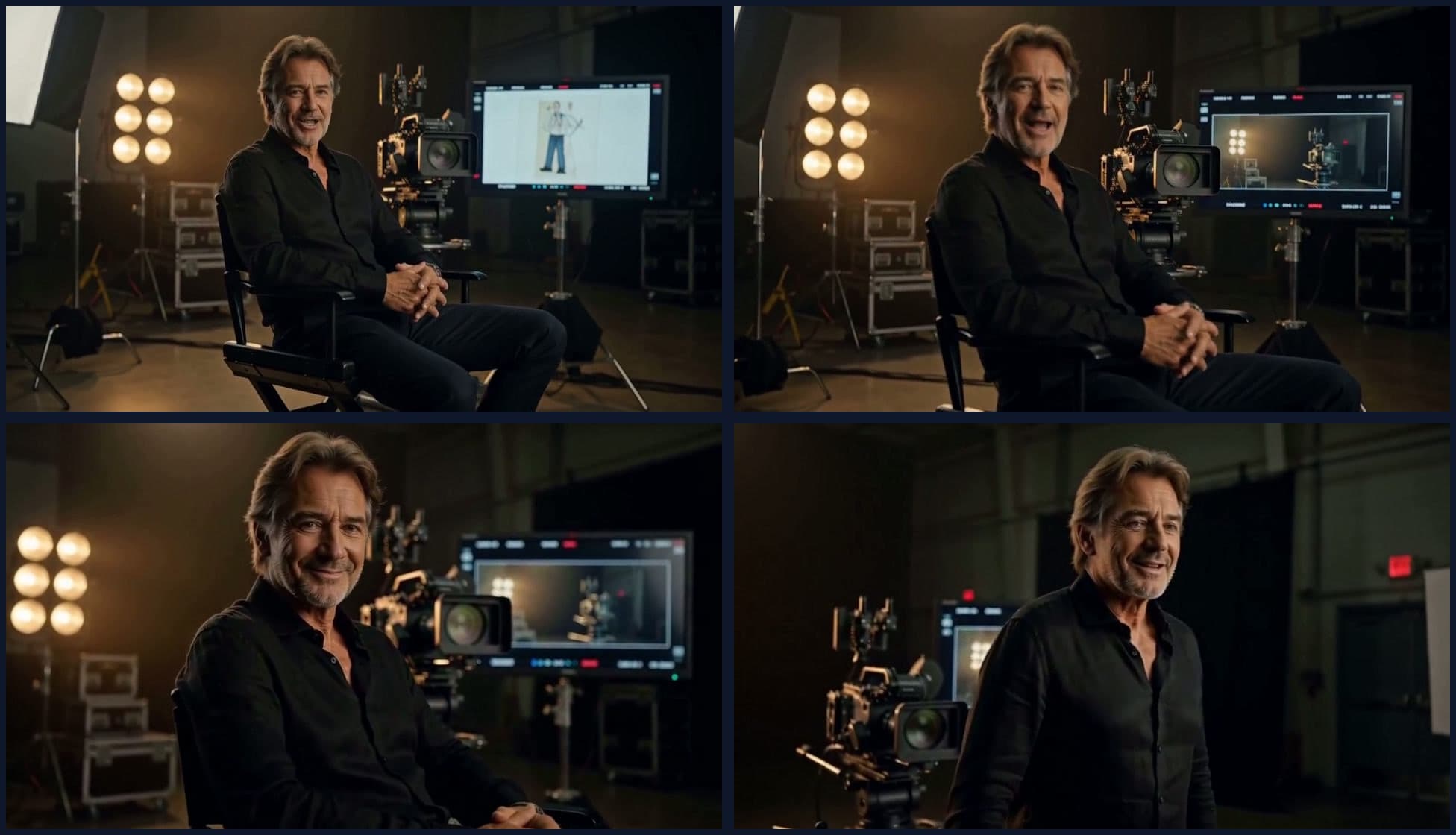
What We Learned Building Long-Form Video with MiniMax H3
A practical MiniMax H3 long-form video guide covering scene assembly, continuity, context handoffs, reference scheduling, native audio, duration control, and quality review.
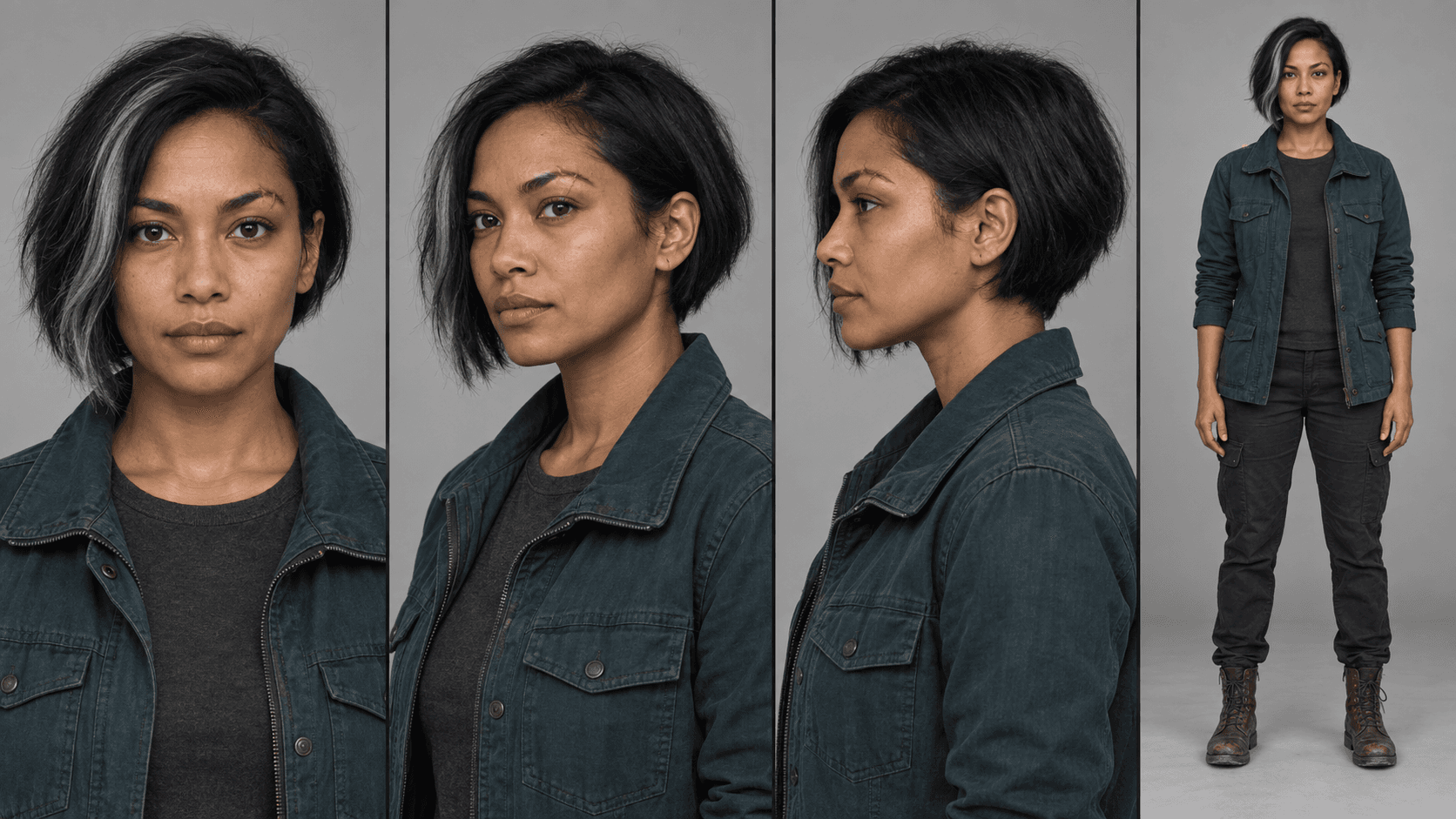
MiniMax H3 Reference Workflows: Character Sheets in Practice
Build MiniMax H3 reference-to-video workflows with concatenated character sheets, composition frames, numbered prompt tags, controlled examples, and practical failure checks.